Scientifically calibrated interactive cooking timers, stovetop boiling guides, and USDA food safety calculations. No guesswork, no soggy pasta, no overcooked poultry.
Select a flagship culinary tool below to customize ingredients, doneness levels, starting temperatures, and portion sizes.
Soft, Medium & Hard-Boiled Eggs
Precision egg boiling with scientific temperature physics. Adjust for egg size (Medium to Jumbo), starting temperature (fridge-cold vs. room temp), and altitude boiling point drop.
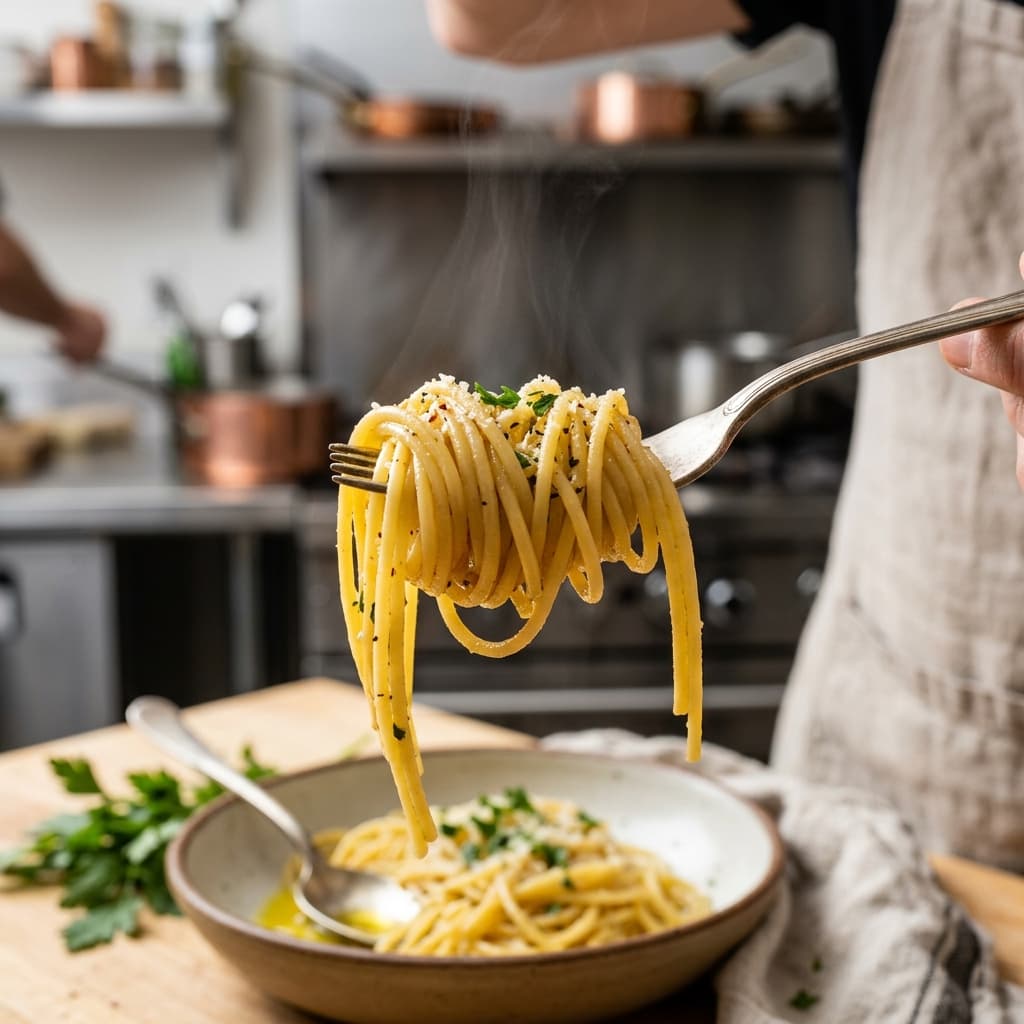
Al Dente, Firm & Tender Textures
Never serve mushy pasta again. Calculates exact boil duration with a smart 1-minute early taste-check audio alert, water-to-salt ratio guidance, and vigorous rolling boil prompts.
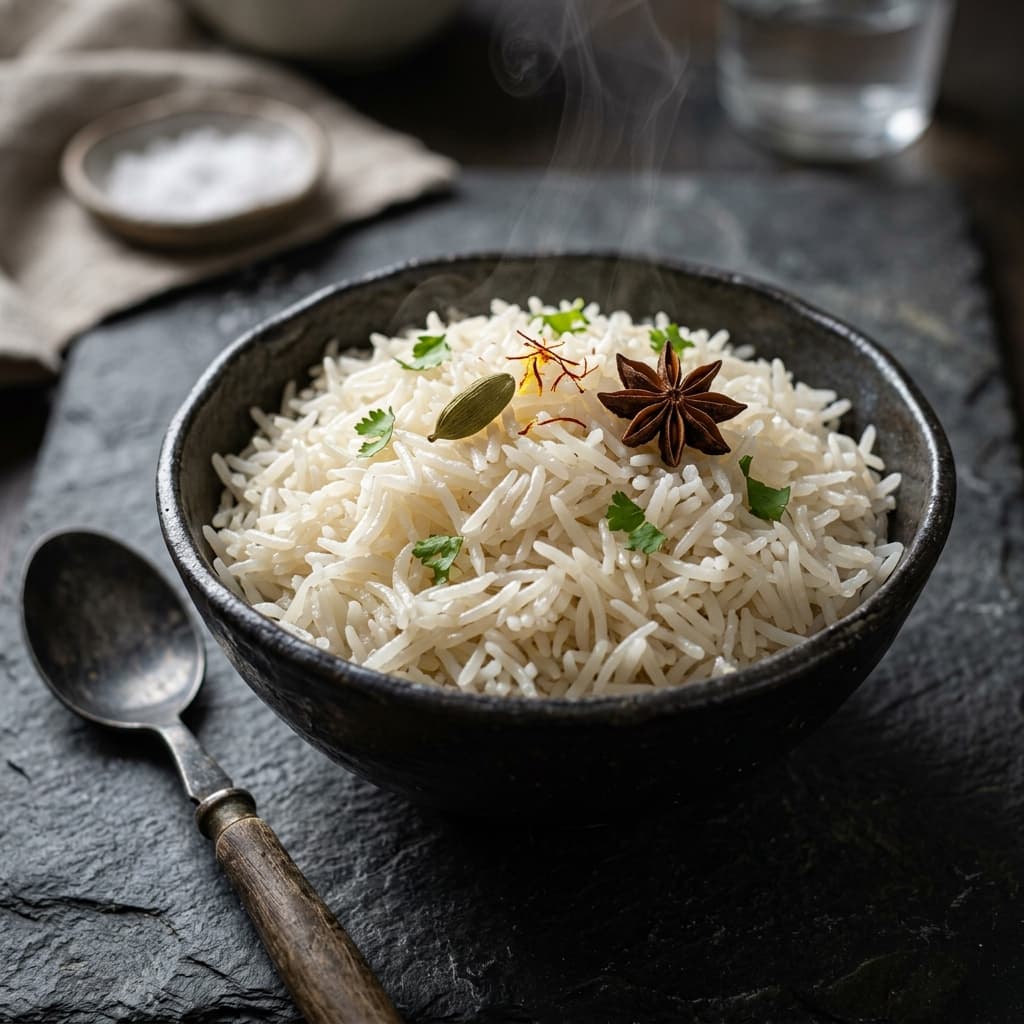
Basmati, Jasmine, White & Brown Grains
Fluffy, separated grains with zero scorched pans. Variety-specific liquid volumetric ratios, sealed low-heat simmer countdown, and a mandatory 10-minute steam rest phase.
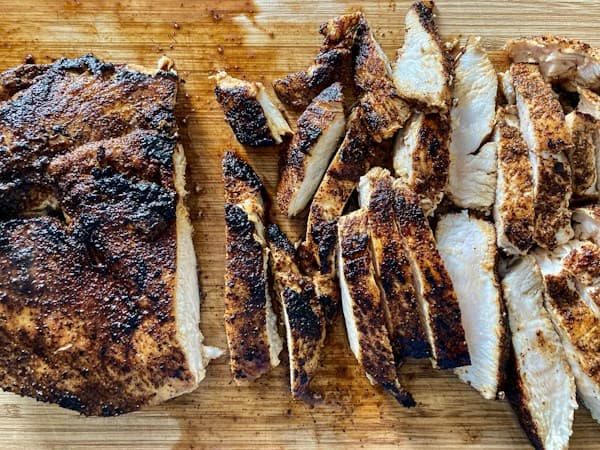
Breasts, Thighs, Drumsticks & Tenders
Juicy, tender shredded or sliced chicken with USDA 165°F (74°C) food safety verification. Gentle poaching temperature guidance (180°F–195°F) prevents tough, rubbery poultry.
Bookmark this cheat sheet for fast everyday stove reference across boiled eggs, pasta, grains, and poached poultry.
| Item & Cut | Heat Standard | Boil / Simmer | Rest / Shock | Doneness Indicator | Timer Tool |
|---|---|---|---|---|---|
| Soft-Boiled Eggs (Large)Eggs | Rolling Boil (212°F / 100°C) | 6 min 00 sec | 3 min Ice Bath | Liquid golden yolk, firm tender egg white. Peel under cool running water. | Open |
| Medium / Jammy Eggs (Large)Eggs | Rolling Boil (212°F / 100°C) | 7 min 30 sec | 3 min Ice Bath | Custardy, fudge-like warm yolk center. Ideal for ramen bowls. | Open |
| Hard-Boiled Eggs (Large)Eggs | Rolling Boil (212°F / 100°C) | 10 min 00 sec | 5 min Ice Bath | Fully set creamy yolk with zero sulfur-grey ring. Perfect for egg salad. | Open |
| Spaghetti (Al Dente)Pasta | Vigorous Rolling Boil | 8 – 9 min | None (sauce hot) | Tiny pale core dot visible when bitten. Firm toothsome chew, not chalky. | Open |
| Spaghetti (Tender)Pasta | Vigorous Rolling Boil | 10 min 00 sec | None (drain immediately) | Evenly tender throughout with no core resistance. Soft mouthfeel. | Open |
| Basmati Rice (1 : 1.5 Ratio)Rice | Covered Low Simmer | 12 min 00 sec | 10 min Steam Rest | Grains swell to twice their length and separate cleanly when fluffed. | Open |
| Jasmine Rice (1 : 1.3 Ratio)Rice | Covered Low Simmer | 12 – 13 min | 10 min Steam Rest | Delicately fragrant, soft, and lightly cohesive without becoming gluey. | Open |
| Brown Long-Grain Rice (1 : 2.25 Ratio)Rice | Covered Low Simmer | 40 – 45 min | 10 min Steam Rest | Bran husk softens to a nutty, chewy texture; bottom liquid fully absorbed. | Open |
| Boneless Chicken Breast (6–8 oz)Poultry | Gentle Simmer (180°F–195°F) | 12 – 14 min | 5 min Board Rest | Core reaches safe 165°F (74°C) with food probe. Muscle fibers stay juicy. | Open |
| Boneless Chicken ThighsPoultry | Gentle Simmer (180°F–195°F) | 15 – 18 min | 5 min Board Rest | Connective collagen melts at 175°F (79°C) for tender shredding. | Open |
| Chicken Drumsticks (Bone-In)Poultry | Gentle Simmer (180°F–195°F) | 20 – 25 min | 5 min Board Rest | Meat easily pulls away from the bone; joint cartilage tenderized. | Open |
Home cooks often wonder why their pasta turns gummy or chicken comes out rubbery despite setting a phone timer. Standard countdown clocks treat boiling water like an inert countdown, ignoring the biochemical physics of cooking.
Water does not boil at 212°F everywhere. At higher elevations, lower atmospheric pressure allows water vapor to escape at significantly lower temperatures (as low as 200°F–202°F). Because your boiling water is literally cooler, starches take longer to hydrate and eggs take longer to coagulate.
Spaghetti requires vigorous boiling energy to disperse amylose starches without clumping. In contrast, lean poultry muscle fibers aggressively seize and squeeze out water if boiled vigorously above 200°F. Chicken requires gentle poaching (180°F–195°F) with food safety thermometer verification.
Cooking continues after you turn off the burner. When rice finishes simmering, 10 minutes of covered steam resting allows moisture to equalize across the pot while surface starches firm up. Without this rest, fluffing produces soggy, ruptured mush.
Your phone goes to sleep right when you need to check seconds, forcing you to touch your screen with raw poultry or soapy hands. CookTiming's high-contrast 10-foot Kitchen Stove Mode keeps your screen awake and readable across the room.
We are continuously expanding CookTiming with new evidence-based cooking tools.
Calculations based on Yukon Gold vs. Russet starch content, cubed vs. whole tubers, and cold-water start rules.
Preserves bright chlorophyll green and vitamin C without sulfurous off-flavors from over-steaming.
Stage-by-stage coffee extraction timing covering initial 30s bloom, steady pour, and plunge drawdown.
Prevents astringent tannin bitterness with temperature-steep pairings for delicate sencha to robust Assam.
Track first bulk fermentation, shaped proofing windows, and poke-test readiness for artisan loaves.
Every food type undergoes distinct thermal and biochemical transitions during cooking. In pasta and rice, starches gelatinize at specific hydration thresholds. In poultry, myoglobin breaks down and Salmonella bacteria are eradicated at an exact thermal thermal lethality curve (165°F / 74°C). In eggs, egg-white ovalbumin coagulates at 145°F–150°F while yolk proteins coagulate at 150°F–158°F. Generic phone clocks count blind seconds; CookTiming's food-specific timers integrate scientific physical variables like starting temperature, piece thickness, steam resting, and elevation.
At sea level, pure water boils at 212°F (100°C). However, as elevation rises, atmospheric pressure drops, causing water to boil at noticeably lower temperatures (for example, approximately 202°F at 5,000 feet in Denver, Colorado). Because boiling water is colder at high altitudes, heat transfers more slowly into food. Stovetop boiled eggs, pasta, and simmered poultry need calibrated extra minutes to reach the exact same internal doneness. CookTiming incorporates elevation math across our boiling calculators.
A vigorous rolling boil churns at 212°F with large, turbulent bursting bubbles. This high mechanical energy is essential for dried spaghetti so individual strands stay separate without clumping. Conversely, delicate proteins like boneless chicken breast should never be exposed to a rapid boil; violent boiling causes meat muscle fibers to aggressively contract, expelling cellular moisture and producing dry, rubbery meat. Poultry demands a gentle sub-boiling poach or simmer (180°F–195°F) with lazy, tiny bubbles.
Resting is not wasted time; it is an active phase of cooking. When rice finishes simmering, keeping the lid tightly sealed for 10 minutes off the heat allows trapped high-pressure steam to redistribute moisture from the wetter bottom to the drier top grains, while surface starches retrograde so the rice fluffs into distinct grains rather than mush. For chicken, resting for 5 minutes allows pressurized internal juices to reabsorb into relaxed muscle fibers, preventing all the moisture from running out onto your cutting board.
Kitchen Stove Mode is our high-contrast, fullscreen display engineered specifically for busy cooks standing across the kitchen. It features massive, readable countdown digits and automatically engages the browser's Screen Wake Lock API. This ensures your smartphone, tablet, or laptop screen never goes to sleep or dims with raw or flour-covered hands, keeping you in full command of your stovetop.
Yes. Every tool on CookTiming is 100% free with zero paywalls, subscriptions, or intrusive sign-ups. You can bookmark and use them immediately on any smartphone, tablet, or desktop browser directly by the stove.
Is there a specific grain, cut of meat, baking bake-time, or beverage steeping curve you would like automated? Let our food-science team know. We review all feedback!